

FAQ
Related Pages
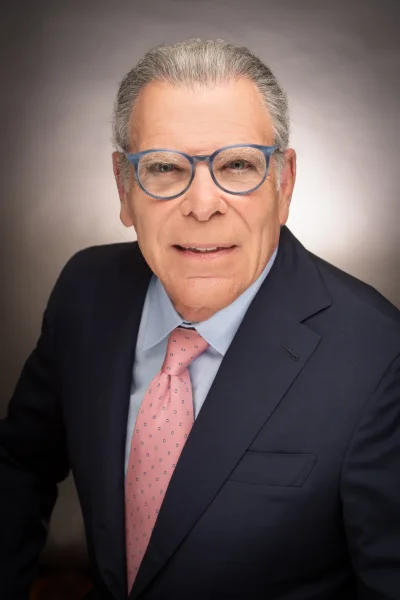
Dr. Rose is a board-certified dermatologist who has been performing hair restoration surgery since 1988. He has published numerous articles, lectured extensively, and demonstrated advanced hair restoration techniques. Dr. Rose has also served as President of the International Society of Hair Restoration Surgery (ISHRS) and as a member of the Board of the American Academy of Cosmetic Surgery (AACS).
During your consultation, Dr. Rose will personally review your medical history and perform a thorough examination. He will discuss the underlying cause of your hair loss and explain the medical and surgical treatment options that may be appropriate for you.
If you live outside the area, your initial consultation can be conducted via Zoom. However, an in-person consultation will be required prior to your surgery.
Hair transplant consultations are provided at no cost.
Hair loss consultations are billed either as an out-of-pocket medical visit or through your insurance, when applicable.
No. Not everyone experiencing hair thinning or hair loss is a candidate for hair restoration surgery. Determining the specific cause of your hair loss is essential, as certain conditions cannot be effectively treated with hair transplantation.
You may be a good candidate if your hair loss is primarily due to male or female pattern hair loss and you have sufficient donor hair available for transplantation.
In some cases, patients with hair loss caused by injury or certain diseases may also qualify. Patients with active scarring hair loss disorders are generally not candidates for hair transplantation.
A typical hair transplant involving approximately 2,000 grafts generally costs between $10,000 and $15,000, depending on the technique used.
- FUT (Strip) procedures typically cost approximately $5 per graft.
- FUE procedures typically cost approximately $7 per graft.
Seasonal promotions and scheduling discounts may also be available.
We offer financing options through CareCredit to help make treatment more affordable.
In some cases, medical therapy may significantly improve hair loss and delay—or even eliminate—the need for hair transplant surgery.
Before your procedure, you’ll receive detailed pre-operative instructions that include:
- Medications to take
- Medications and supplements to avoid
- How to prepare for surgery
- Post-operative care instructions
We recommend purchasing our post-operative care kit (available for an additional fee), which is designed to promote healing and optimize graft survival.
Post-operative care also includes:
- Follow-up appointments
- A next-day shampoo visit
- Detailed recovery instructions
Most patients return to work within 1–2 days.
You may wear a baseball-style hat after the procedure. Some forehead swelling can occur and typically lasts 4–5 days, which may affect social or professional activities. Mild redness in the transplanted area can persist for approximately 10 days.
FUE Procedures
- Donor area typically heals within about one week
FUT Procedures
- Donor area heals in 7–10 days
- Sutures are removed after 10–12 days
Recipient Area
- Most redness resolves within two weeks
- Swelling, if present, usually subsides within 5–7 days
Most patients experience only mild discomfort.
There can be some discomfort during the procedure while the local anesthetic is administered. We provide oral sedation and pain medication to minimize discomfort throughout treatment.
Some soreness is common during the first evening following surgery, but most discomfort improves significantly by the next day. Pain medication is available for several days if needed.
Patients who have significant scarring from previous procedures may experience additional discomfort due to scar tissue removal.
Mild redness in the recipient area may last 7–14 days.
The transplanted hairs typically shed within the first two weeks after surgery. This is a normal part of the process.
New growth usually begins around 3–4 months, with continued improvement over time. Final results are typically visible between 12 and 14 months after the procedure.
Patients are welcome to return for follow-up visits whenever needed after surgery.
We provide detailed instructions on washing and caring for your hair after the procedure. We also offer a comprehensive post-operative care kit designed to support healing and maximize graft growth.
For the first 2–3 months, we recommend wearing a hat whenever you’ll be in direct sunlight for an extended period.
Yes. Because hair loss is progressive, many patients choose to have multiple procedures over the course of their lives.
Hair transplantation has practical limits on how densely grafts can be placed during a single procedure while maintaining excellent graft survival. Depending on your goals, donor hair availability, and future hair loss, additional procedures may be recommended to improve density or refine previously treated areas.
Patients who are not using medications to slow hair loss may continue losing non-transplanted hair over time. After approximately one year, many patients return to discuss whether additional treatment would help achieve their desired results.